

What is Cybersecurity?
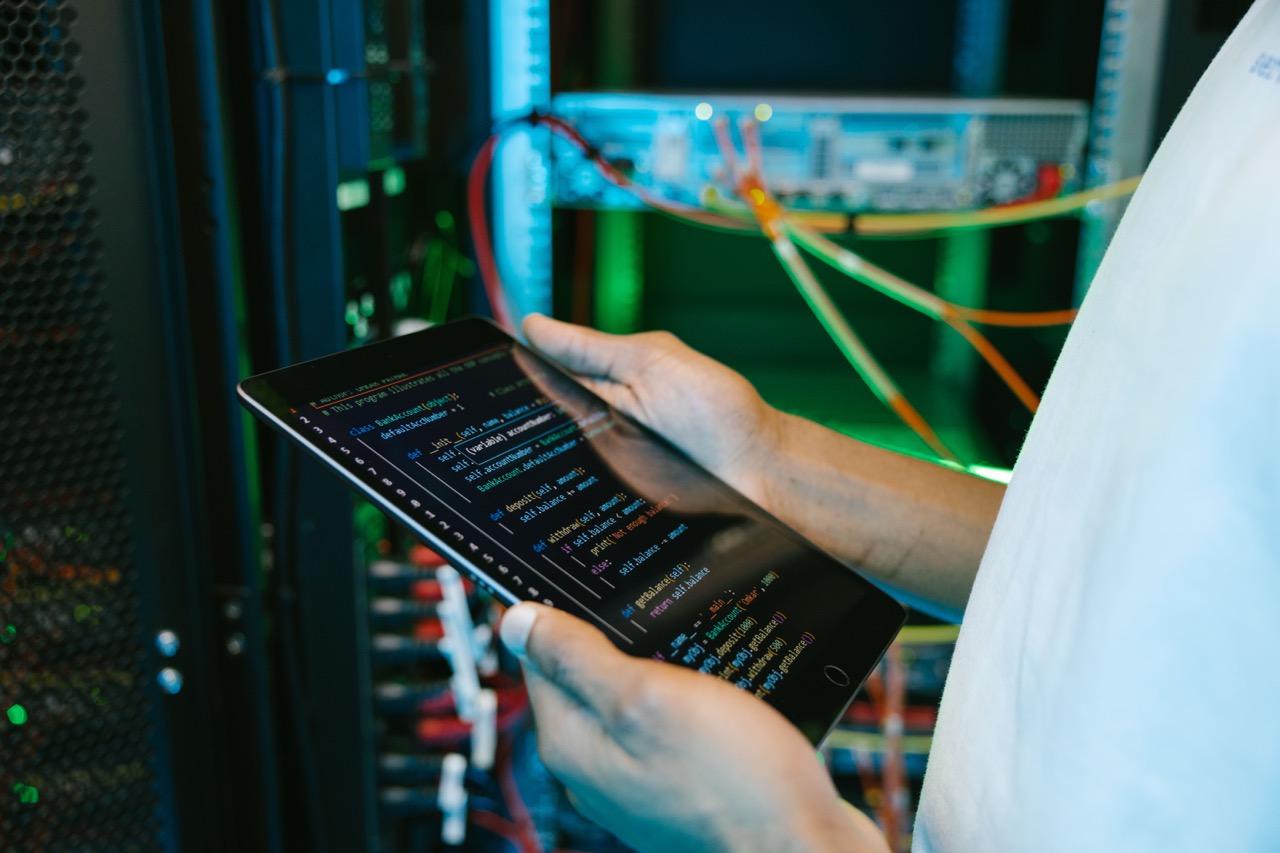
In our digital age, nearly every aspect of our lives — communication, work, banking, shopping, and even healthcare — relies on computers, mobile devices, and the internet. As technology advances, so does the sophistication of cyber threats that target personal data, business systems, and critical infrastructure. This growing reliance on technology makes cybersecurity not just a technical concern but a fundamental necessity for individuals, organizations, and governments alike.
Cybersecurity is more than just a buzzword — it’s a critical framework designed to protect digital assets and ensure the safe, private, and reliable use of technology. In this article, we explore what cybersecurity is, why it is crucial, the common types of cyber threats, key cybersecurity measures, industry standards, and best practices that companies can adopt to protect their systems and data.
What Cybersecurity Means
Cybersecurity involves a set of technologies, processes, and practices designed to defend against digital attacks. These cyberattacks are typically aimed at accessing, altering, or destroying sensitive information; extorting money from users; or interrupting normal business operations.
Cybersecurity protects against unauthorized access, misuse, or damage to computers, servers, mobile devices, and data. With digital threats becoming more sophisticated, cybersecurity has grown to encompass everything from basic virus protection to complex, multi-layered defense systems.
Why Cybersecurity Matters
Without effective cybersecurity, individuals and organizations risk financial loss, data compromise, and irreparable damage to trust and credibility.
- Data Protection: From personal photos to financial records and intellectual property, data is a valuable asset that needs protection from theft or loss.
- Business Continuity: Cyberattacks can cripple operations, costing businesses both revenue and reputation.
- Privacy Preservation: With so much of our personal information stored online, privacy is a growing concern. Cybersecurity ensures individuals retain control over their own data.
- National Security: Critical infrastructure like power grids, transportation systems, and communication networks are increasingly targeted, making cybersecurity essential to national defense.
- Regulatory Compliance: Laws such as GDPR, HIPAA, and others require organizations to protect user data, with strict penalties for breaches.
Common Threat Types
Cyber threats evolve constantly, but some attack types have remained consistently dangerous. Here are some of the most common:
Malware
Short for “malicious software”, malware includes viruses, worms, trojans, and spyware. It infiltrates devices to steal data, spy on users, or damage systems.
Phishing
Phishing is a form of social engineering where attackers trick users into revealing personal information, such as login credentials or credit card numbers, often via fake emails or websites.
Denial of Service (DoS) Attacks
DoS attacks flood a system, server, or network with traffic, overwhelming resources and rendering them unusable. When done through multiple systems, it’s called a Distributed Denial of Service (DDoS) attack. You can learn more about how DDoS attacks work — and how to protect your infrastructure from them — in our previous blog post.
Man-in-the-Middle (MitM) Attacks
In a MitM attack, the attacker intercepts communication between two parties to steal data, such as login credentials or financial information. This often occurs on unsecured public Wi-Fi networks, DNS spoofing, ARP poisoning, and SSL stripping.
Ransomware
Ransomware locks or encrypts a victim’s data and demands payment for its release. It’s especially devastating for organizations without proper backups or recovery plans.
Types of Cybersecurity
To protect against these diverse threats, cybersecurity is divided into several specialized domains:
- Network security focuses on protecting the integrity and usability of a company’s network and data. This includes firewalls, intrusion detection systems, and secure access protocols.
- Application security ensures that software and apps are free from threats. This includes regular updates, code reviews, vulnerability testing, and patch management.
- Endpoint security protects individual devices — such as laptops, smartphones, and tablets — from cyber threats. Antivirus software, device encryption, and secure remote access fall into this category.
- Cloud security ensures that data stored in cloud environments remains safe. This includes managing access controls, encryption, and compliance with data protection standards.
Cybersecurity Standards
To ensure a structured, consistent approach to cybersecurity, several international standards and regulatory frameworks have been developed. These standards help organizations safeguard data, manage risks, and comply with legal requirements.
ISO/IEC 27001
ISO/IEC 27001 is a globally recognized standard for managing information security. It provides a systematic approach to managing sensitive company information, ensuring it remains secure through policies, risk assessments, and technical controls.
- Establishes an Information Security Management System (ISMS).
- Focuses on confidentiality, integrity, and availability of data.
- Encourages continuous improvement and regular audits.
NIST Cybersecurity Framework (NIST CSF)
Developed by the U.S. National Institute of Standards and Technology, the NIST CSF provides a flexible framework for organizations to manage and reduce cybersecurity risks.
It includes five functions:
- Identify: Understand your environment and risks.
- Protect: Safeguard critical assets.
- Detect: Spot potential cybersecurity events.
- Respond: Take action during incidents.
- Recover: Restore normal operations.
PCI DSS
The Payment Card Industry Data Security Standard (PCI DSS) is a mandatory framework for organizations that handle credit card transactions. It ensures secure processing, storage, and transmission of cardholder data.
Key requirements:
- Encrypt cardholder data.
- Restrict access to data.
- Monitor networks for vulnerabilities.
- Maintain secure systems and applications.
GDPR Compliance
The General Data Protection Regulation (GDPR) is a legal framework that governs data protection and privacy in the European Union (EU). It affects any organization that processes personal data of EU citizens.
- Requires explicit user consent for data processing.
- Grants users rights over their data (e.g., access, deletion).
- Enforces strict breach notification rules.
- Heavy fines for non-compliance.
How to Protect Against Cyber Threats
While cybersecurity can seem complex, individuals and organizations can significantly reduce their risk by following basic protective measures:
- Use Strong Passwords
Create complex, unique passwords for different accounts using a combination of letters, numbers, and special characters. Use a password manager to securely store and generate passwords.
- Keep Software and Operating Systems Updated
Regular updates patch security vulnerabilities that attackers may exploit. Enable automatic updates whenever possible for both software and operating systems.
- Use Firewalls and Antivirus Software
Firewalls help block unauthorized access to your network, while antivirus software detects and removes malware. Keep both up to date for maximum protection.
- Be Cautious of Suspicious Emails and Links
Avoid clicking on unfamiliar links or downloading attachments from unknown sources. Phishing emails often appear legitimate but are designed to steal personal information or install malware.
Cybersecurity Best Practices for Businesses
Organizations, regardless of size, must take proactive steps to protect their digital assets and customer data. Here are key best practices businesses should follow:
Implement a Cybersecurity Plan
Develop a formal cybersecurity policy outlining procedures, responsibilities, and risk management strategies. This serves as a blueprint for protecting systems and responding to incidents.
Train Employees on Cybersecurity Awareness
Employees are often the first line of defense. Regular training on phishing, password hygiene, and safe browsing practices can prevent many common attacks.
Regularly Backup Data
Frequent, automated backups help ensure that data can be restored in case of ransomware attacks or accidental data loss. Store backups securely — use the 3-2-1 backup rule. Keep 3 copies of your data, store 2 of them on different media (such as an external hard drive and cloud storage), and keep 1 backup offline.
Monitor Network Activity
Use monitoring tools to track traffic and detect unusual behavior. Early detection of anomalies can help prevent larger breaches.
Have an Incident Response Plan
Despite best efforts, breaches can still occur. A well-defined incident response plan outlines how to detect, contain, and recover from cyber incidents quickly and efficiently.
Servercore’s Products for Cybersecurity
Servercore offers several infrastructure solutions designed with security as a foundational element, helping organizations meet compliance requirements while maintaining operational flexibility.
Dedicated Servers provide clients with exclusive physical hardware, eliminating the shared-environment risks common in multi-tenant infrastructures. This isolation is particularly valuable for organizations subject to strict compliance standards like PCI DSS, which Servercore is certified for across all its operational regions. With dedicated servers, clients gain full control over security configurations, patch management, and network access policies—reducing potential attack vectors and simplifying audit processes.
For data protection, Servercore’s cloud infrastructure includes automated backup capabilities that clients can configure for their cloud servers and databases. In the cloud environment, data is stored using triple replication across different servers in separate racks within the same data center. This redundancy ensures that if one copy becomes unavailable, the system automatically switches to the remaining copies, providing resilience against hardware failures.
Network security is addressed through multiple layers. All Servercore products include baseline DDoS protection at L3-L4 levels at no additional cost, filtering malicious traffic before it reaches client infrastructure. Clients can also deploy Firewalls and configure private networks through the Global Router service, which provides secure L3VPN connectivity between resources across different data centers. Network isolation is built into the platform: internet-facing networks, local networks, and private Global Router networks operate independently, preventing cross-contamination between projects.
Servercore’s data centers hold certifications including PCI DSS, ISO 27001, and Tier III standards (design and facility), with physical security measures such as 24/7 monitoring, restricted access controls, and continuous infrastructure supervision.
Conclusion
Cybersecurity protects against evolving threats — from malware and phishing to ransomware and DDoS attacks. Understanding these risks and implementing appropriate defenses is essential for individuals, businesses, and governments alike.
Effective protection combines multiple elements: strong passwords, regular software updates, firewalls and antivirus software, employee training, and regular backups. Organizations should establish formal cybersecurity policies, monitor network activity, and maintain tested incident response plans. Compliance with standards like ISO 27001, PCI DSS, and GDPR provides structured frameworks for managing security risks.
Infrastructure providers like Servercore can help by offering secure platforms with DDoS protection, certified data centers, and compliance-ready environments — but cybersecurity ultimately depends on active practices at every level. With proper technical measures, organizational policies, and staff awareness working together, organizations can significantly reduce their exposure to cyber threats.